
Do We Work with Stripe, Adyen, PayFac, or Worldpay?
Wondering whether your business should use Stripe, Adyen, Worldpay, or a PayFac? Learn how modern payment infrastructure works and how to choose the best processor.
3/10/20264 min read
Businesses looking for a payment processor often ask the same question:
“Do you support Stripe, Adyen, Worldpay, or PayFac solutions?”
It’s a reasonable question. Platforms like Stripe, Adyen, and Worldpay are among the largest payment infrastructure providers in the world.
But choosing a payment processor is not just about selecting a brand name.
Modern businesses need a payment infrastructure strategy that supports growth, risk management, international payments, and scalability.
In this guide, we’ll cover:
What Stripe, Adyen, and Worldpay actually do
What a PayFac (Payment Facilitator) is
Why many companies use multiple payment processors
How businesses choose the best payment infrastructure in 2026
What Is a Payment Processor?
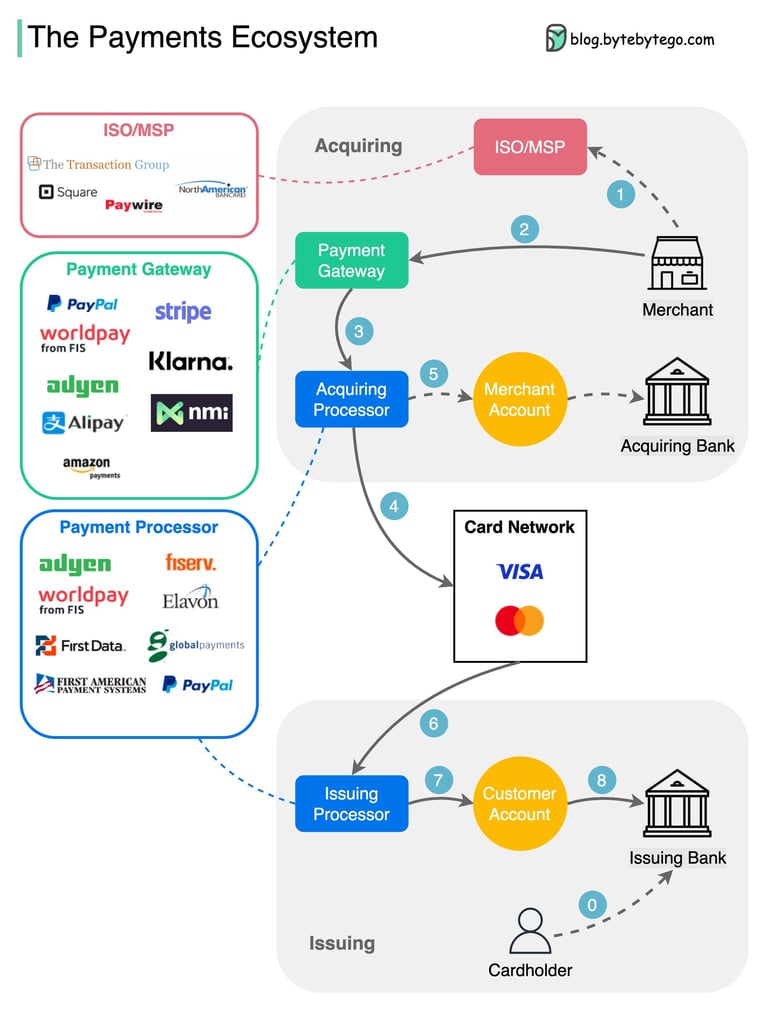
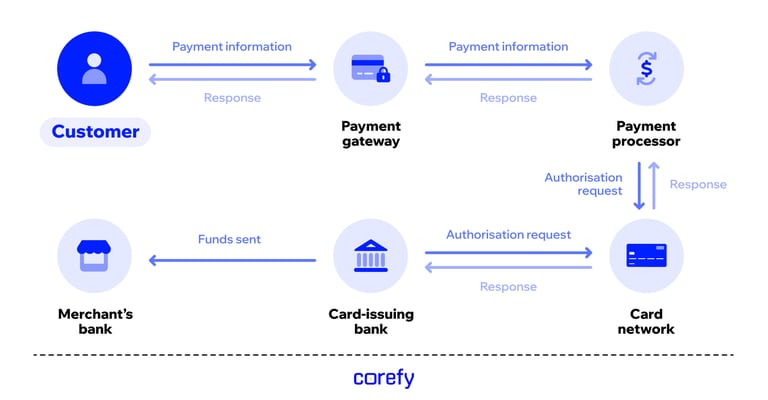
A payment processor is the technology that enables businesses to accept credit cards, debit cards, and digital payments.
When a customer makes a purchase online or in person, the processor connects several parties:
the customer’s bank
the merchant’s bank
the card network (Visa, Mastercard, etc.)
the payment gateway
This process happens in seconds, allowing funds to move securely between accounts.
Stripe vs Adyen vs Worldpay: What’s the Difference?
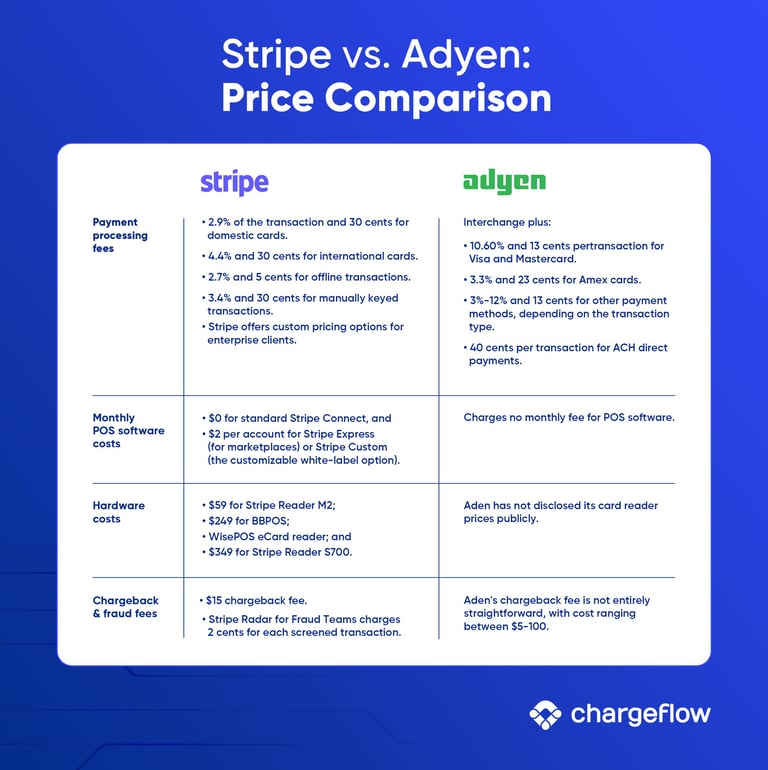
Many businesses researching payment processors compare platforms like Stripe, Adyen, and Worldpay.
While they all process payments, their ideal use cases are different.
Stripe
Stripe is widely known for:
developer-friendly APIs
easy ecommerce integration
strong SaaS billing tools
startup-friendly onboarding
Many SaaS and technology companies start with Stripe because it is easy to integrate into software platforms. Learn more about how payment processing works from Stripe’s payment guide.
Adyen
Adyen is typically used by:
global ecommerce brands
enterprise merchants
international marketplaces
It provides infrastructure for companies operating across multiple regions and currencies. Adyen global payments resource.
Worldpay
Worldpay is one of the largest merchant acquirers globally.
It is often used by:
large retailers
enterprise ecommerce platforms
high-volume merchants
It offers extensive acquiring bank relationships and global payment capabilities. Learn about Worldpay
What Is a PayFac (Payment Facilitator)?
A Payment Facilitator (PayFac) allows businesses to accept payments without opening a traditional merchant account directly with a bank.
Instead:
the PayFac operates the master merchant account
businesses become sub-merchants
This model enables:
faster onboarding
easier integrations
embedded payments for SaaS platforms
simplified compliance management
Many modern payment platforms operate using a variation of the PayFac model.
Why Many Businesses Use Multiple Payment Processors
One of the biggest misconceptions in payments is that a business should only use one payment processor.
In reality, many companies operate with multiple payment providers.
Reasons include:
Higher Approval Rates
Different processors connect to different acquiring banks.
Using multiple providers can improve transaction approval rates.
Risk Management
Some industries are considered higher risk.
Having access to multiple processors prevents sudden disruptions if one provider changes underwriting policies.
Global Payments Optimization
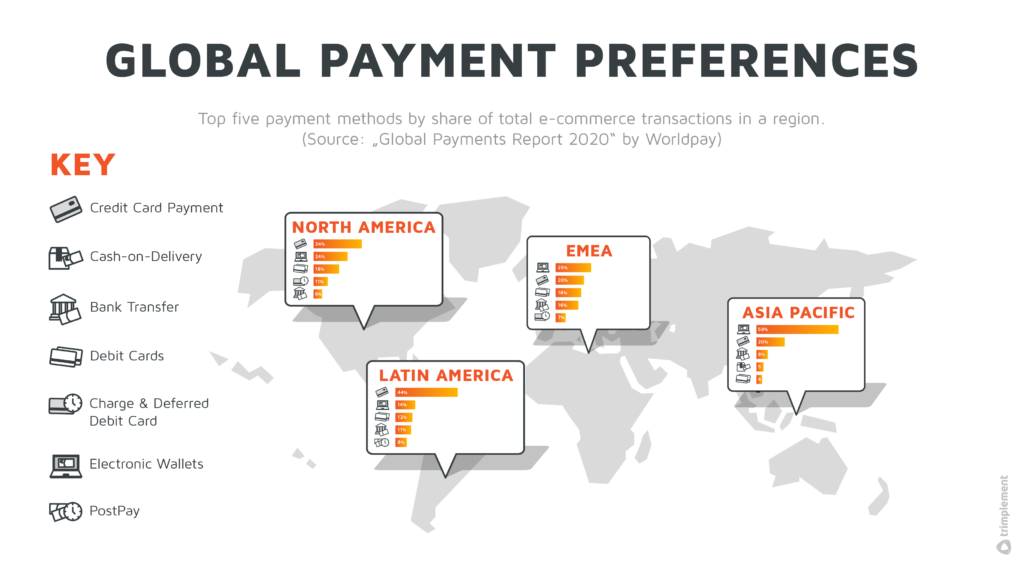
Payment preferences vary worldwide.
For example:
Europe prefers local payment methods
Asia uses alternative wallets
North America relies heavily on cards
Using multiple processors can improve international checkout performance.
How to Choose the Best Payment Processor for Your Business
Choosing the right payment infrastructure depends on several factors.
Business Model
SaaS, ecommerce, marketplaces, and subscription businesses often require different payment solutions.
Industry Risk Level
Some industries require specialized acquiring banks due to regulatory or fraud considerations.
Geographic Expansion
Businesses operating internationally need processors that support:
multiple currencies
local payment methods
regional acquiring banks
Scalability
The right payment processor should support your growth as transaction volume increases.
If you’re evaluating different processors, you may also find our guide helpful:
How to Choose the Right Payment Processor for Your Business (Step-by-Step Guide for 2026)
Why Businesses Work With Payment Infrastructure Advisors
Many companies assume they must choose a single processor and commit long-term.
However, payment consultants often take a processor-agnostic approach, meaning they evaluate multiple providers to determine the best solution.
This approach allows businesses to access:
enterprise payment platforms
PayFac infrastructure
specialized acquiring banks
scalable ecommerce payment stacks
Final Thoughts
Platforms like Stripe, Adyen, and Worldpay are powerful tools in the payments ecosystem.
However, the best payment solution depends on more than just choosing a processor.
The most successful businesses focus on building a flexible payment infrastructure that supports:
scalability
global payments
industry compliance
long-term growth
Understanding the available options is the first step toward choosing the right payment strategy.
How Harbor Payment Solutions Provides Access to Stripe, Adyen, PayFac, and Enterprise Payment Infrastructure
Many businesses assume they must choose one payment processor and commit to it long-term.
In reality, modern payment infrastructure works very differently.
At Harbor Payment Solutions, the goal is not to push a single platform. Instead, the focus is helping businesses identify and access the right payment infrastructure for their specific needs.
Because Harbor works across a network of payment providers, businesses can gain access to solutions including:
Stripe integrations for SaaS and software platforms
Adyen for global enterprise payment processing
Worldpay acquiring infrastructure for high-volume merchants
PayFac (Payment Facilitator) solutions for marketplaces and embedded payments
Specialized acquiring banks for regulated or higher-risk industries
This processor-agnostic approach allows Harbor to design payment solutions that are tailored to each business instead of forcing companies into a single platform.
Access to Multiple Payment Processors
Different payment processors are optimized for different business models.
For example:
SaaS platforms may benefit from Stripe’s developer-first infrastructure
Global ecommerce brands may prefer enterprise platforms like Adyen
Large retailers may require high-volume acquiring relationships
Because Harbor works with multiple payment ecosystems, businesses can choose the infrastructure that best supports their:
transaction volume
industry risk profile
geographic reach
long-term growth plans
Flexible Payment Infrastructure for Growing Businesses
One of the biggest challenges companies face is outgrowing their payment processor.
For example, businesses may encounter:
account restrictions
transaction limits
higher fees as volume grows
international payment limitations
By working with Harbor Payment Solutions, businesses can build a scalable payment stack that evolves as the company grows.
This may include:
multiple payment processors
alternative acquiring banks
optimized payment routing
specialized fraud and risk management tools
A Strategic Approach to Payment Processing
Rather than starting with a processor, Harbor begins with the business model.
Key factors evaluated include:
ecommerce vs SaaS vs marketplace models
domestic vs global transactions
regulatory requirements
expected growth in transaction volume
This allows businesses to implement payment infrastructure that supports both current operations and future expansion.
Ready to Improve Your Payment Processing?
Start with a free consultation and see how Harbor Payment Solutions can help your business save money and scale with confidence
© 2025. All rights reserved.
Professional, transparent payment processing services for businesses across the United States. Processing services provided through trusted processing partners. Harbor Payment Solutions operates as a consulting and advisory firm.
Powered by FX Web Ventures